Environmental Test Chamber: Ensuring Product Reliability in Extreme Conditions
In today’s competitive industrial landscape, product quality and durability are non-negotiable. Whether it is electronics, automotive parts, or aerospace components, every product must perform reliably under varying environmental conditions. This is where an Environmental Test Chamber (ETC) becomes essential.

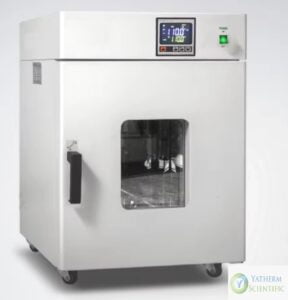
An Environmental Test Chamber is
a controlled testing system designed to simulate real-world environmental
conditions, including temperature, humidity, and pressure. These chambers allow
manufacturers to test how their products behave under extreme or fluctuating
conditions before they reach the market.
By replicating harsh environments
in a laboratory setting, companies can ensure their products meet performance
standards and regulatory requirements.
Why Are Environmental Test
Chambers Important?
Environmental testing plays a
critical role in product development and quality assurance. Here’s why:
1. Product Reliability
Testing products in controlled
environments ensures they can withstand real-life conditions without failure.
2. Quality Assurance
Manufacturers can identify
defects early in the production process, reducing the risk of product recalls.
3. Regulatory Compliance
Many industries require strict
compliance with environmental and safety standards. Test chambers help meet
these regulations.
4. Cost Efficiency
Detecting issues during testing
saves costs compared to fixing problems after product launch.
Industries That Use
Environmental Test Chambers
Environmental Test Chambers are
widely used across multiple industries, including:
- Aerospace – Testing aircraft components
under extreme pressure and temperature
- Automotive – Ensuring vehicle parts perform
in different climates
- Electronics – Evaluating circuit boards and
devices for heat and humidity resistance
- Material Science – Studying material
behavior under environmental stress
Key Features of Environmental
Test Chambers
Modern environmental chambers
come equipped with advanced features such as:
- Precise temperature and humidity control
- Programmable testing cycles
- User-friendly digital interfaces
- Energy-efficient operation
- Robust and durable construction
These features ensure accurate
and repeatable testing results.
How Environmental Testing
Works
Environmental testing involves
placing a product inside the chamber and exposing it to specific conditions
like:
- High or low temperatures
- Rapid temperature changes
- Humidity variations
- Combined environmental stresses
The product is monitored
throughout the process to evaluate its performance and durability.
Choosing the Right
Environmental Test Chamber
When selecting an Environmental
Test Chamber, consider:
- Testing requirements (temperature, humidity range)
- Chamber size and capacity
- Industry standards and compliance needs
- Automation and control features
- After-sales support and service
Choosing the right chamber
ensures accurate testing and long-term reliability.
Conclusion
Environmental Test Chambers are a
cornerstone of modern product testing. They help industries deliver
high-quality, reliable, and compliant products by simulating real-world
environmental conditions in a controlled setting.
Investing in the right testing
equipment not only enhances product performance but also builds customer trust
and brand credibility. To learn more about advanced testing solutions, visit https://www.testchamberhub.com/.


Comments
Post a Comment